Close
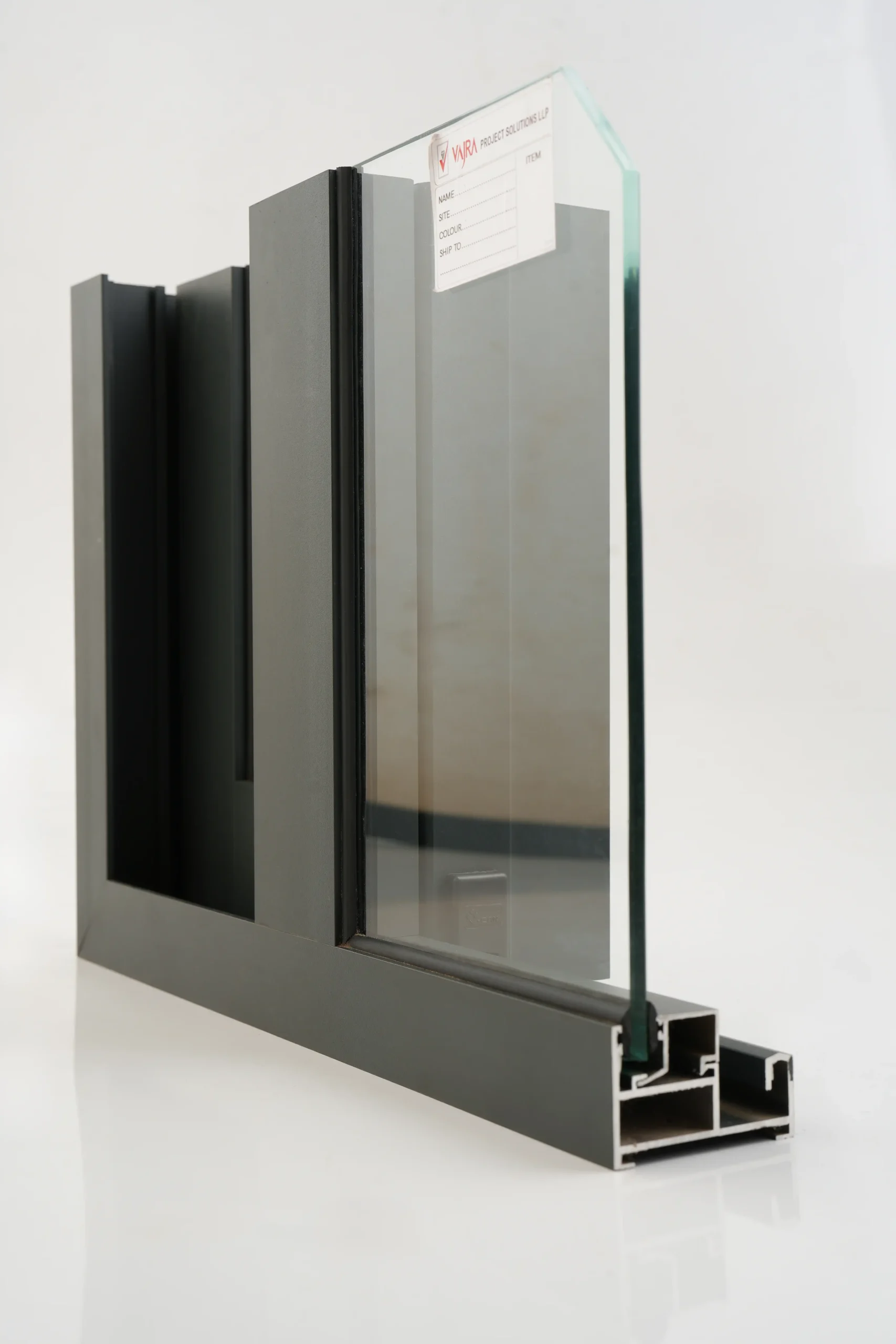
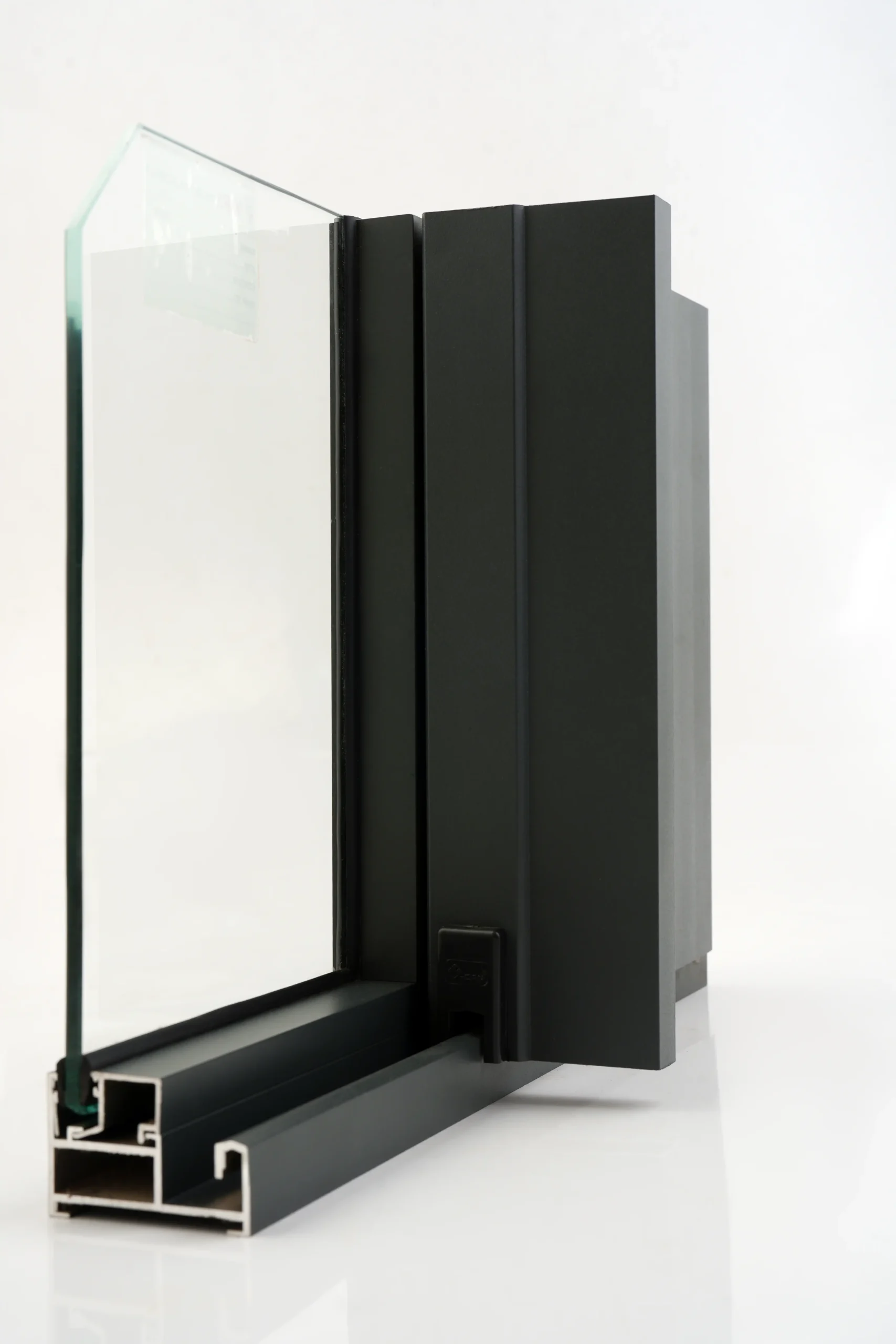
Advanced Aluminium System Windows, Doors & Façade Solutions
Professional installation guidance
Low maintenance and easy cleaning
Corrosion resistant aluminium finish
Secure locking systems for safety
Energy saving window and door systems
Heat and sound insulation support






Sep10, 2026
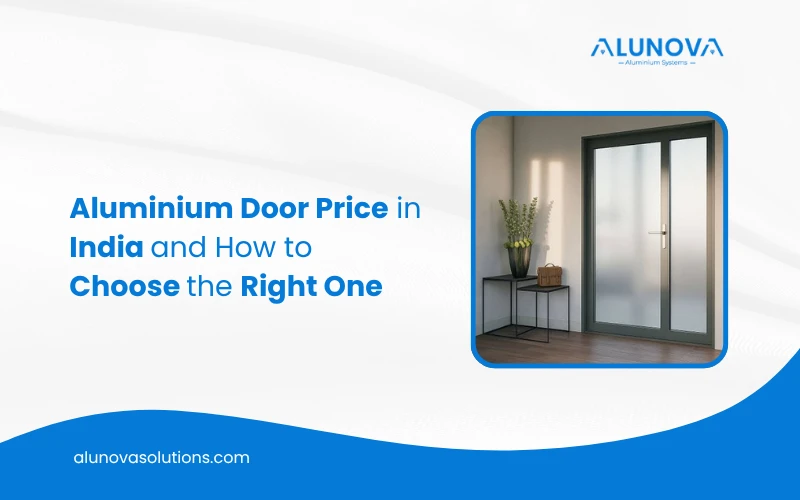
When someone enters a home, one of the first things that will captivate their attention is a door. However, when the time has come to replace an existing door or install a new one, excitement turns into confusion. You might see an aluminium door that costs ₹400 per sq. ft., as well as another one that can cost ₹1,500 or more. Hence, what accounts for the price difference? Aluminium door price in India is influenced by a number of factors that include the type of door, the type of aluminium profile used, the type of glass, the hardware fitted, the finish, size, and installation. Thus, if you know what determines the price, choosing an optimal door for your home is much easier. Aluminium Door Price in India by Type The price of an aluminium door cannot be defined. Each door has a different design that requires particular profiles, hardware, and opening systems. This is a brief price guide to help you with budgeting. Aluminium Door Type Approx. Price Per Sq. Ft. Aluminium Casement Door ₹400 - ₹1,500 Aluminium Sliding Door ₹500 - ₹1,500 Aluminium Slide and Fold Door ₹400 - ₹1,300 Aluminium Lift and Slide Door ₹550 - ₹1,800 Aluminium French Door ₹800 - ₹2,000+ Premium System Aluminium Door ₹1,200 - ₹3,000+ It should be noted that these ranges represent the indicative market rates and not fixed prices. Market prices can vary depending on such factors as city, supplier, quality and specifications of glass and hardware, as well as the method of installation. Based on the current listings in the market, it can be stated that a significant range can be found even within the door type. Why Do Aluminium Door Prices Vary? The cost of buying a door in aluminium depends not only on the frame. The final price can be influenced by various small details that are worth paying attention to if you want to compare the prices offered by different suppliers and avoid overpaying. Aluminium Profile The design, thickness, and quality of the profile can influence the cost and durability of the door. Profiles of higher quality usually cost more than simple aluminium profiles. Glass The cheapest type of glass is clear glass. Other types of glass such as toughened, tinted, laminated, and double-glazed glass can increase the total cost of aluminium doors. Hardware Various door fittings, including locks, handles, hinges, rollers, etc., affect the final cost of aluminium doors. Good quality hardware ensures that the door will operate effectively. Size and Design Bigger doors require a larger amount of aluminium and glass to manufacture. Non-standard parameters, custom designs, and bigger openings can also result in a cost increase. Finishing Powder coating, anodising, and different colors can lead to an increase in the price of doors. Generally, more expensive finishes cost more than the cheapest options. Installation Labour, transportation, old-door removal, and site preparation may be charged separately. Always check what is included in the quotation before making a decision. How to Calculate Your Aluminium Door Cost A simple equation can help you obtain an approximate calculation as follows. Width of Door x Height of Door = Area of the Door. Then, Area of the Door x Price of Door = Estimated Cost of Door For instance, if the door's width is 4 ft and the height is 7 ft, its area would be 28 sq. ft. Since the price per sq. ft. is ₹800, the cost will be around ₹22,400. This calculation can only be used as an approximate figure. It is wise to know if your supplier will include the costs for glass, installation of locks and handles, as well as transportation and GST in their quote. How to Choose an Aluminium Door Without Overspending The price of an aluminium door doesn’t necessarily determine whether it is good for your house. Before looking at how much a door costs, consider its place of installation. A sliding door might be appropriate for a balcony, while a more secure, stronger door might be necessary for the main entrance. If the door has to cover a large space, sliding or folding systems might have to be installed. It is also important to compare full quotes instead of using a per-square-foot price. For instance, you might have one quote that includes installation and high-quality hardware and another quote that covers basic frame and glass only. Things to Check Before Ordering Before finalising your aluminium door, ask the supplier about: Aluminium profile and thickness Glass type and thickness Hardware and locking system Surface finish and colour Installation charges Warranty Maintenance requirements GST and transportation charges A clear quotation can save you from unexpected expenses later. Make a Smarter Choice for Your Home The most cost-effective aluminium door isn't automatically the best one. The best one is one that gives the right balance of appearance and functionality. When exploring the prices of aluminium doors in India, be sure to judge the complete package and not only the number on a per-square-foot basis. Once the type, profile, glass, hardware, and installation are determined, the process of choosing the best aluminium door will be much easier. Related Topics Aluminium Door Designs Safety Door Design for Home Aluminium Sliding Door Design Aluminium Folding Door Design Frequently Asked Questions on Aluminium Door Price in India What is the average price of an aluminium door in India? Aluminium doors are usually priced between ₹400 - ₹1,500 per sq. ft., depending on the design and quality level of the door. How much does an aluminium sliding door cost per sq. ft.? Aluminium sliding doors, on the whole, cost around ₹500-₹1,500 per sq. ft. Is aluminium cheaper than uPVC doors? Aluminium may be cheaper or equally priced as compared to uPVC. However, this depends on the profile of the door, the kind of glass, and the design of the door. Does aluminium door pricing include installation? The installation cost may or may not be included, so it is best to confirm this with the supplier. Which aluminium door is best for a balcony? Aluminium sliding doors are one of the most preferred choices of customers when it comes to balcony doors, because these doors occupy less space and have a long service life. How can I reduce the cost of an aluminium door? In order to lower the cost of an aluminium door, it is best to go for a simple design, standard profiles, and relatively cheap glass.
Read More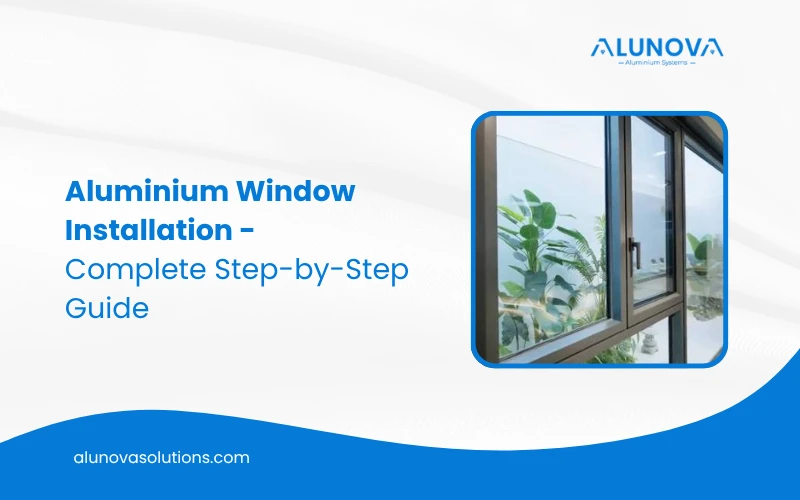
Sep05, 2026
Aluminium window installation involves installing the aluminium frame into an existing wall opening and securing it with appropriate sealants, glass, hardware, and fittings. The entire process consists of measuring the opening, putting the frame in position, attaching it properly, putting in the glass, and sealing the edges. While installing aluminium windows may seem easy, each step must be done with extreme care and accuracy. If installed correctly, the window will be safe and will operate optimally. This tutorial will describe different types of aluminium windows and offer a detailed explanation of how to install them properly. Why Proper Aluminium Window Installation Matters Aluminium windows are common in homes in India because they are robust, lightweight, and require easy maintenance, besides being conducive to a wide variety of architectural designs. They can also withstand strong weather conditions such as heat, humidity, and seasonal rains. However, a high-end aluminium window frame may not work properly if it is installed incorrectly. Bad installation can lead to the following problems: Water leaking into the frame Unwanted gaps allowing dust and noise from the outside A window that cannot be opened and closed properly Loose frames making noise Irregular gaps around the window Inefficient insulation leading to discomfort For this reason, it is as important to conduct professional installation as to select the right type of window. Types of Aluminium Windows to Consider Before starting the fitting work, decide which window style suits your room. Different types offer different levels of ventilation, space-saving, and visual appeal. Aluminium Sliding Windows Aluminum Sliding Windows are highly functional and practical for balconies, bedrooms, and kitchens. Since they slide open, they do not require additional space when opened. Aluminium Casement Windows Aluminum Casement Windows are suitable for bedrooms, living rooms, and any other areas that require good airflow and ventilation. The windows leave the room by opening outward and shutting tightly in order to ensure good air circulation while keeping the window sealed safely. Fixed Aluminium Windows Fixed Aluminum Windows are perfect for stairways, living rooms, and any other areas to let in more light and allow an unobstructed view of the outside without any intention of opening them. Awning Windows Awning Windows are perfect for kitchen and bathroom areas. Since they open at the top, they allow air to flow in while the window is covered partly from the rain. Louvre Windows Louver Windows are perfect for hot and humid regions. The blades are set at angles to allow air to move through the space while maintaining utmost privacy. Slim-Profile Windows Slim-Profile Windows are fitting in the modern world for people who favor a clear and neat look. They provide more glass while taking up less space in any interior, offering maximized lighting and a wider view. Aluminium Window Installation Process The process of installation may differ according to the window system used and the type of building, but basic steps are essentially the same. Measure the Opening Properly The first thing is to get the right measurements. The installer must check the width and height from several places. In addition to that, the opening must be leveled and squared. Walls do not always measure straight because not all buildings are perfectly constructed. A wrong measurement might lead to leaving big holes or pushing the frame in too tight. Prepare the Opening Before installing the new frame, the installer must remove dirt, loose material, old sealant, and more. If an old window is being changed, an existing frame should be taken out carefully without damaging the walls around. A clean and stable opening provides a better base for a new aluminium window frame. Positioning of the Frame The frame should be positioned correctly in the opening and should be leveled properly. This becomes important at this step in order for the window to be in the perfect position. If needed, an installer may use appropriate packers and spacers to keep the frame secure. Forcing the frame into such a position can cause the window to be impacted negatively. Fixing the Frame Securely Once the frame has been positioned, fasteners can be used to fix the frame in the correct place. The locations at which the frame is being fixed need to be such that it can bear the forces exerted on it without any negative impact on the aluminium. Here, proper craftsmanship becomes important, as a poorly placed frame can give an impression of being installed correctly on the outside. Sealing of the Gaps Seals help to ensure that the joint between the window and the wall is adequately protected. A suitable weatherproof sealant should be applied generously to the areas to be treated. The importance of this stage will increase particularly in places that get heavy monsoon rains. Set the Glass and Hardware in Place Once the frame has been appropriately secured, the insertion of the glass, handles, locks, rollers, hinges, and other necessary hardware happens in accordance with its design. The installer must also make sure that all movable parts are functioning properly. For sliding types of windows, moving the panels shouldn't require too much force on behalf of the user. For casement types, the sash should also not touch the frame during operation. Conduct a Final Inspection Completing the installation of the window doesn't mean that the task has been accomplished. The installer must operate all the panels, lock them, and check for possible openings in the edges. The sealant applied must be checked, and the movement of the frame should be tracked when pressure is applied. What to Check After Aluminium Window Installation There are some installation problems that can easily be avoided if they are identified as soon as possible. Measuring incorrectly: A slight mistake in the measurement can lead to a poor final result in terms of fit. Neglecting wall condition: A wall that is uneven or damaged must be fixed before fastening the frame permanently. Not sealing properly: A slight gap on the edges of the frame may serve as a channel to carry rainwater and dust. Tightening fasteners too much: Applying too much pressure can cause the frame to bend and not work properly. Choosing the window first and then assessing the space: An attractive design may be useless if there is not enough space to open it. How to Get Better Results When you are looking for a professional, it is essential not only to consider the cost of installation. You should ask the installer about the kind of aluminium window profile, the specification of glass, hardware type, fixing method and sealant, and the guarantee for installation. It is also advisable to have a look at the finished installation before making the final payments. Check for squares, nice joints, smooth operation, and clean sealing. Above all, pick the installer who knows the specific window system used. The manufacturer's instructions and the project requirements should be followed for the specific product. Looking for quality aluminium windows for your space? Contact Alunova today and let us find the right fit for your home.   Frequently Asked Questions on Aluminium Window Installation How Much Does Aluminium Window Installation Cost? The cost will depend on the dimensions and type of aluminium window, its hardware, and the cost of installation. If you want to know how much it costs for you to install aluminium windows, request a proper quote. How Long Does Aluminium Window Installation Take? Typically, installation of one standard aluminium window takes a few hours. In the case of complicated installation or multiple windows, this process might take longer. How to Choose the Right Aluminium Window Installer? Select an experienced installer who has a good track record of work and provides good pricing. Always ensure that the quality of materials, installation process, and guarantee are satisfactory.
Read More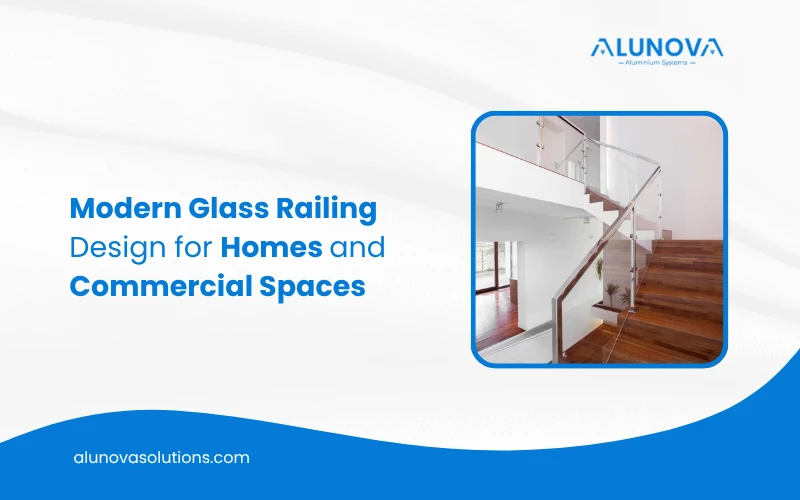
Jul29, 2026
Your house has to always feel open to you. In the past, there have been times when you walked into a room only to discover that the design made it feel smaller than it is. Heavy railings, essential barriers, and designs that are outdated can make your spacious area congested. What most people do not know is that with the right kind of glass railing design, one can dramatically alter the design of the area. If you are looking to modernize and brighten up your house or property without huge renovations, the right kind of glass railing design can open up the space. In this post, you will find out about the different types, benefits, as well as materials used in making railings so that you are able to pick the right one for your space. Why Choose a Glass Railing Design? Brings Extra Brightness Inside the House Solid Railings are designed to prevent sun rays from reaching indoors. Consequently, rooms appear more open, spacious, and airy. Gives the Sense of Space Clear glass creates an open look by removing visual barriers. Whether it's a balcony or staircase, the area feels larger without changing its actual size. Works with Any Design Style Modern glass blends well with any construction materials, such as wood, stone, steel, or aluminum. Provides Reliability in Use Good-quality laminated and tempered glass is designed to withstand various types of impacts and weather changes. Therefore these are used for a long time. Increases Property Value A modern railing system improves the overall appearance of your home or commercial space, making it more attractive to visitors and future buyers. Benefits of Installing Glass Railings Unobstructed Views Glass provides an elegant way to enjoy panoramic views without any obstructions. This is the reason why it is the best material for balcony, terrace, and patio railings. Requires Low Maintenance Glass railing doesn't require any specific maintenance other than regular cleaning with a soft cloth and a glass cleaner. Safe to Use Every Day Contemporary manufacturers use safety glass railings that have been created specifically to withstand impacts, offering reliable protection to properties. Rust and Corrosion Resistant Glass doesn't corrode or rust like iron, so when combined with durable hardware, it can serve well both indoors and outdoors. Enhances the Property's Status Due to its stylish look, glass lends a refined appearance and makes it visually appealing. Types of Glass Railing Design Railings come in different types for different places. Having an idea about what kind of railings are available will help you find the one that fits your style and fulfills your safety requirements. 1. Frameless Glass Railings The latest form of railings available in the market today, frameless glass railings use thick tempered glass panels attached without any obvious frames, giving you an unhindered view. Perfect for, High-end residential properties Rooftop areas Balconies with a view of the ocean Modern style villas 2. Semi-Framed Glass Railings This type of railing uses slim metal supports along with glass panels. With this option, you get a blend of an elegant look with enough structural support. Perfect for, Balconies in houses Buildings with apartments Offices 3. Fully Framed Glass Railings This type of railing uses metal frames around glass panels. The surrounding metal framework enhances stability while providing reliable structural support. Perfect for, Schools Commercial buildings Locations with lots of people 4. Glass Railings with Stainless Steel Posts This type of railing uses transparent glass along with stainless steel posts, which adds a classic touch to its design. Perfect for, Hotels Restaurants Decks 5. Glass Railings with Handrails Adding aluminum or stainless steel handrails improves grip while maintaining the clean look of glass. Perfect for, Staircases Family homes Elder-friendly spaces How Much Do Glass Railings Cost in India? The cost of a glass railing depends on the type of glass, hardware quality, installation method, and project size. The table below provides an estimated price range to help you plan your budget. Glass Railing Type Average Price (₹ per sq. ft.) Frameless Glass Railing ₹1,500 - ₹3,500 Semi-Framed Glass Railing ₹1,200 - ₹2,500 Fully Framed Glass Railing ₹900 - ₹2,000 Glass Railing with Stainless Steel Posts ₹1,400 - ₹2,800 Glass Railing with Handrails ₹1,300 - ₹2,600 Frosted Glass Railing ₹1,600 - ₹3,000 Tinted Glass Railing ₹1,700 - ₹3,200 Where Can Glass Railings Be Installed? One key benefit of glass railing designs is their adaptability. Whether you are renovating a residential property or working on a commercial project, glass railings will improve safety and aesthetics. Here are the main locations where glass railings can be easily incorporated. Indoor Stairs The use of glass railings brightens up staircases and gives them a contemporary look while allowing light to flow through smoothly. As a result, even smaller houses become lighter and roomier. Apartment terraces Glass railings are perfect for apartment terraces because they help ensure safety without blocking the outside view. Moreover, they make even small balconies more relaxing. Duplex houses In duplex houses, glass railings create the illusion of two levels being connected, at the same time adding an element of luxury. Rooftop terraces The main advantage of glass railings in rooftop areas is that they provide safety without hiding natural beauty. You can enjoy the surroundings while peacefully resting on the roof. Swimming pool areas Glass railings around swimming pools promote safety while allowing you to examine the water. Such railings also make the outdoor area look clean and simple to maintain. Gardens and Patios Putting glass barriers near gardens as well as patios is great for conserving the beauty of the garden. Instead of forming a barrier to vision, they allow people to appreciate the outdoor landscape. Commercial Buildings Contemporary offices today use glass railings in staircases, balconies, and other public areas in their office buildings. They are compatible with office architectural works. Accommodation Places Hotels use glass railings to make beautiful balconies, terraces, and recreation areas. Their sophisticated look improves visitors’ experience at the hotel. Trade Centres and Selling Places Commercial areas can use glass railings and become more visible and spacious, so that glass can suit many modern styles of architecture. Restaurants Glass railings are useful for creating outdoor dining areas without making them feel enclosed. Guests are able to look at the nature around them while enjoying the atmosphere that glass adds to the establishment. How to Choose the Right Railing for Your Property Before making your final decision, consider these important factors. Choose certified tempered or laminated safety glass. Match the hardware with your property's architectural style. Think about maintenance before selecting a finish. Check local building regulations and safety codes. Work with experienced professionals for proper installation. Consider future cleaning access, especially for high-rise buildings. Taking these points into account helps ensure long-term safety and performance. Final Wrap Up A carefully designed glass railing design does far more than simply enhance the beauty of your home. It will brighten your spaces, secure open areas, and add value over time, all while providing a sleek modern look. Whether you are remodeling an existing home, building a new villa, or upgrading an office building, glass railings are an element of your design that will serve you. When you are knowledgeable about these products, including available options, materials, and installation methods, you will make the right choice for your needs, style, and budget. Related Topics Curtain Wall System Glass Facade Design Aluminium Sliding Door Design Facade System Combine safety, style, and many years of performance with one of the top-quality glass railing systems by Alunova. Contact us now to let us guide you and create a personal solution for your house or business project.
Read More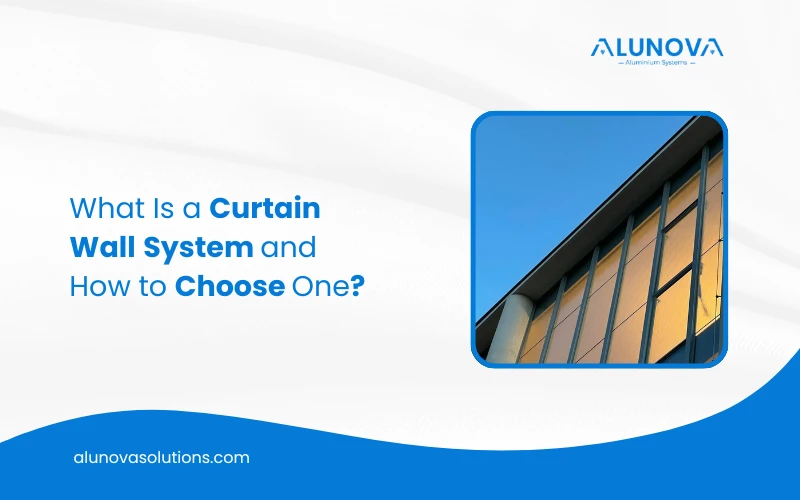
Jul22, 2026
Curtain Wall System refers to the exterior surface that connects to the building's structure without carrying any loads of the structure. Generally made with aluminum framing and glass panels, it serves as a safeguard against rain, dust, and heat while giving the building an elegant and modern look. Besides improving the look of the building, the system also helps to provide better natural light, energy efficiency, and performance. Nowadays, curtain wall systems are used in many commercial buildings such as hotels, educational institutions, offices, hospitals, and shopping malls, providing a wide range of solutions for modern construction processes. What is a Curtain Wall System? Curtain walls are coverings located on the outside of buildings, but do not actually support them like any other form of wall. It basically shields the buildings from harsh weather conditions and external pollutants while allowing natural sunlight to come in. Aluminium curtain wall systems are usually made of aluminium frames and glass panels, but various materials may be used depending on the specific project. Today, curtain walls can be frequently found in: Offices IT parks Shopping malls Hotels Hospitals Educational institutions Residential buildings Curtain walls help give buildings a beautiful modern look and make them energy-efficient and easy to maintain. Why Are Curtain Wall Systems Becoming So Popular? Contemporary constructions are expected to meet various requirements in addition to being visually appealing. It is equally vital that they be energy-efficient, robust, and user-friendly. Some significant advantages include: Provides an ultramodern look to the edifice Maximizes natural daylight in the building Enhances the effectiveness of thermal insulation Reduces external noise Protects the building from adverse weather conditions Requires minimum maintenance Increases property overall worth When properly chosen glass-and-aluminum combinations are applied in curtain wall systems, they help lower electricity costs through effective temperature control indoors. Types of Curtain Wall Systems Different buildings have different needs in terms of design. Selecting the most appropriate curtain wall varies based on building height, budget, time for construction, and architectural design of the building. Stick-Built Curtain Wall This is the most popular technique used in the construction of low-rise and mid-rise buildings. Here, distinct aluminum frames and glass are mounted onsite. Ideal for: Small businesses and offices. Unitized Curtain Wall In this type, the entire wall panel is created in the factory and brought to the location for installation. Ideal for: Tall buildings used for business purposes. Semi-Unitized Curtain Wall With a semi-unitized curtain wall, production occurs at the factory, and the product is then delivered to the building for installation. This way, it is possible to find the optimal choice in terms of both installation speed and design. Ideal for: Medium and large business buildings. Structural Glazing Curtain Wall With this method, special silicone sealants are used to create a glass wall with hardly any visible aluminum frame at all. Ideal for: Premium offices, hotels, and shopping centers. Spider Glazing System The spider glazing system uses stainless steel fittings instead of traditional frames, creating a frameless glass appearance. Best for: Airports, luxury showrooms, atriums, and modern commercial buildings Cost of Different Types of Curtain Wall Systems There are numerous aspects affecting curtain wall system pricing, such as system type, glass specifications, aluminum profile, building height, and installation specifications. The table shown below provides an approximate cost comparison to help you choose the most suitable option for your project and budget. Type Approximate Cost in India Stick-Built Curtain Wall ₹900-₹1,800 per sq ft Unitized Curtain Wall ₹1,500-₹3,000 per sq ft Semi-Unitized Curtain Wall ₹1,200-₹2,400 per sq ft Structural Glazing Curtain Wall ₹1,800-₹3,500 per sq ft Spider Glazing System ₹2,000-₹4,500+ per sq ft How to Choose the Right Curtain Wall for Your Building? Despite the numerous options available for curtain walls, picking the best choice may seem difficult. The correct option depends on the requirements of the job you are working on, and not going for the highest-priced option. Some of the points you need to look into before making the right choice include: Height of the building For high-rise buildings, unitized curtain walls are preferred as they are quick to install and have uniformity in quality. In general, stick-built systems are suitable for low- to medium-rise buildings. Budget Different projects have different budgets. Always remember to check the installation costs, maintenance requirements, and final value before choosing your option. Design considerations If the aim is to create a stylish glass facade, structural glazing, curtain wall glazing, or spider glazing would be a great option to consider. Energy savings If you want to ensure that energy transfer is minimized and indoor comfort is maximized, make sure to choose efficient glass with adequate thermal insulation. Maintenance Some systems are easier to maintain than others. Choosing a good option can save you maintenance costs in the long run. Why Are More Builders Choosing Curtain Wall Systems? Modern constructions are required to have features beyond their appearance; they must conserve energy, resist various climatic changes, and have low maintenance costs. That is why builders and architects utilize advanced and energy-efficient facade features. Curtain wall systems help achieve these goals by: Improving the building's overall appearance Increasing natural daylight indoors Enhancing thermal performance Protecting against harsh weather conditions Reducing long-term maintenance Supporting sustainable construction practices These advantages make them a preferred choice for architects, builders, and property owners across India. Let's Conclude The exterior of your building is among the first things to be noticed, and it also plays a significant role in the protection of your building in the years to come. The right type of curtain wall facade can boost energy efficiency, decrease maintenance costs, and provide a striking appearance. In case you are building a commercial office, shopping mall, hotel, or institution, investing in a suitable curtain wall system may have a huge impact on the performance and appearance as well. By understanding various types, comparing their costs, and making the right choice, you can create a durable and efficient building. At Alunova, we help bring your architectural vision to life with high-quality curtain wall glazing and facade solutions. Contact us today to find the right solution for your next project. Frequently Asked Questions on Curtain Wall System What is a curtain wall system? A curtain wall system is basically an external wall system that safeguards the structure of a building while improving its aesthetics and thermal performance. What is the difference between curtain wall and window wall? A curtain wall is a system that wraps around the building for many floors, while a window wall is essentially positioned between the slabs of the floor. Which curtain wall system is best? The choice of the right curtain wall depends on the design and height of the building, the budget, and the required performance specifications. How much does a curtain wall system cost in India? The cost of curtain wall systems in India typically ranges from ₹900 to ₹4,500 or more per square foot, depending on the system type, glass specifications, aluminium profile, and installation requirements. Are curtain wall systems energy efficient? Yes. Curtain wall systems improve energy efficiency by reducing heat transfer, maximizing natural daylight, and enhancing the building's thermal insulation. How long do curtain wall systems last? Curtain wall systems can last between 30 and 50 years when they are properly designed, professionally installed, and regularly maintained.
Read More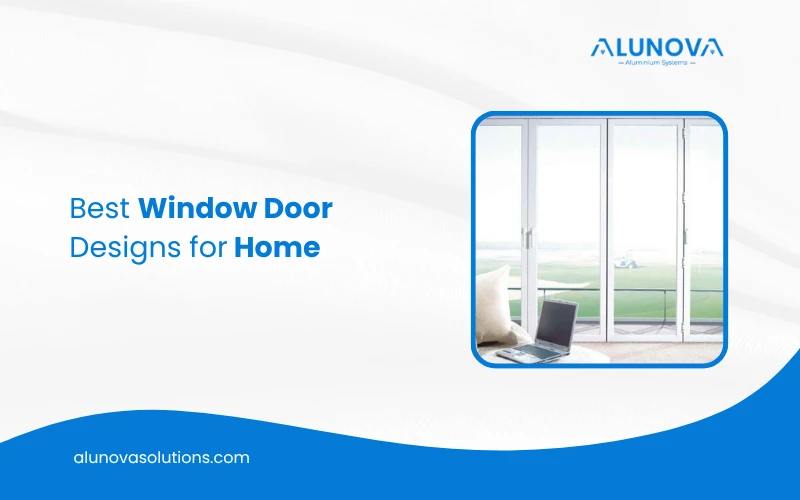
Jul17, 2026
Imagine stepping into your freshly constructed home for the first time. With finely detailed wall paint, shining floor, and inspiring design of each area around you, you feel your dreams have finally come true. However, there seems to be something missing. More often than not, it's the window door design for home that shapes how bright, comfortable, and welcoming your space truly feels. Choosing the right design means much more than merely decorating your home beautifully, as it provides you with natural light, proper ventilation, safety, and ease of living at your home. Therefore, this process deserves as much attention as any other design process. 17 Inspiring Window Door Designs for Home Ideas Worth Exploring 1. Floor-to-Ceiling Glass Panels When your house opens out to a garden, terrace, or landscape view, glass panels extending from floor to ceiling serve as an excellent accessory. These serve to make your home area brighter since they bring in vast amounts of natural light and give a feeling of enlarged space. Slim frames made from aluminium will ensure the panels match the contemporary style of your house. 2. Aluminium Sliding Doors Aluminium sliding doors are an ideal combination of functionality, style, and durability. Because they slide along a track, they save a lot of space on your floor and provide your home with a contemporary and neat aesthetic. Its slender frames have the capacity to hold large glass panels, letting natural light into your house. So, whether you are moving from your room to a balcony, patio, or garden, the aluminium sliding doors allow for smooth communication between your home and its various areas and ensure that the weather conditions do not present any problems. 3. Black Aluminium Frames Now that everyone is obsessed with modern architecture, black aluminium frames are perceived as a new favorite by many homeowners. The contrast they create with bright walls is visually attractive, and they require little or no maintenance. 4. French Doors French doors are ornamental installations that can help up the elegance of any interior. Their large glass panels foster the entry of light into the interiors, increasing the feeling of spaciousness at the same time. French doors could be used to connect living and garden or lead on to the balcony. 5. Corner Windows Corner windows are a perfect solution for those homeowners who want to enjoy unobstructed views of the outdoors. They replace two solid walls with glass and thus flood the interiors with daylight from several corners. This installation is particularly effective in living rooms and bedrooms. 6. Arched Window Designs Arched windows are a good means of giving their softness and beauty to ordinary rectangular windows. The curves of the arches allow designers to match the traditional style of living with contemporary architecture. 7. Wooden Entrance Doors with Glass Panels A wooden entrance door with glass panels creates a nice entrance without taking away the light from your lobby. The frosted or textured glass well protects your privacy from outsiders, yet keeps your entryway well-lit and inviting. 8. Hinged Windows Hinged windows are one of the best options you can find for a modern house. They are very practical solutions as they open fully and provide amazing ventilation in the room. This makes them perfect for places like kitchens, bedrooms, or any other place where air movement has a big impact on everyday life. 9. Picture Windows Picture windows are meant to portray beautiful views. These windows do not open; that's why they give plenty of free glass surfaces to let as much light as possible into your house and make the home appealing from the outside. 10. Folding Glass Doors Folding glass doors are ideal for those who have a love for hosting occasions. They blend the indoor and outdoor areas, opening the space where families can gather and celebrate freely. Apart from that, these doors let in abundant light into the house, giving it a modern appeal. 11. Pivot Windows Pivot windows offer a fresh and modern alternative to traditional window styles. Instead of opening from the side, they rotate around a central pivot point, allowing better airflow and adding a unique architectural touch. Their sleek operation makes them easy to use, while their contemporary design enhances both the interior and exterior of your home. If you are looking for something distinctive that combines functionality with visual appeal, pivot windows arean excellent choice for modern living spaces. 12. Frosted Glass Designs Frosted glass doors and windows enable sunlight to come through while blocking the view. They are mainly found in bathrooms and utility rooms. 13. Slim Frame Windows Slim-frame windows are aimed at achieving maximum width for glass, thus having smaller frames compared to other window types. 14. Double Entrance Doors When it comes to entrance space, double doors are simply mesmerizing. They have an impressive feel and help in transporting items as well as in hosting guests. Made from wood, aluminium, or glass, they are ideal for both modern and classic interiors. 15. Bay Windows Bay windows protrude from the wall of the house and can bring a lot of additional natural light into your house. Many people transform them into home libraries, breakfast spaces, or decorate them. Apart from functionality, bay windows provide charm to both the interiors and the exteriors of the house. 16. Steel-Framed Glass Designs Those who love industrial style can choose steel-framed glass doors and windows. Their elegant black lines make a significant visual difference while providing a strong and reliable feel. In addition to this, they will work well with concrete and wood. 17. Customized Aluminium Windows and Doors Customized aluminium solutions for windows and doors enable people to express their personality. You can choose frame colors and finishing details and decide on opening styles. Estimated Price Range of Popular Window & Door Designs in Kerala Window & Door Design Approximate Price (per sq ft) Casement Windows ₹350 to ₹1,200 Sliding Glass Doors ₹350 to ₹2,500+ Black Aluminium Frame Windows ₹550 to ₹3,200 French Doors ₹450 to ₹1,600 Floor-to-Ceiling Glass Panels ₹350 to ₹850+ Corner Windows ₹380 to ₹800+ Arched Windows ₹450 to ₹2,500 Wooden Main Doors with Glass Inserts ₹400 to ₹1,500+ Picture Windows ₹350 to ₹900 Folding Glass Doors ₹950 to ₹3,000 Pivot Windows ₹300 to ₹1,200+ Frosted Glass Windows & Doors ₹50 to ₹150+ Slim Frame Aluminium Windows ₹900 to ₹1,500+ Double Entrance Doors ₹350 to ₹3,500+ Bay Windows ₹350 to ₹1,500+ Steel-Framed Glass Designs ₹400 to ₹1,200 Customized Aluminium Windows & Doors ₹350 to ₹2,800+ Also Read:Aluminium Doors and Windows Kerala Why Does Your Choice Matters More Than You Think? Choosing the right window door design for your home isn't just about appearances. A good design can provide a better natural flow of air, increased daylight, lower energy use, and higher resale value of a home. Contemporary homeowners are slowly becoming aware of the fact that instead of being seen as an afterthought, the design of windows and doors should unite visual appeal with long service life. Bring Your Vision to Life Selecting the perfect design of a window or door is an investment that keeps providing value long after the construction is done. Whether you opt for stylish aluminium frames, beautiful French doors, or large glass panes, you should concentrate on options that are in harmony with your home's architecture. Good choices made today will create a better, more comfortable, and timeless living environment for years. So, are you ready to build a brighter and more beautiful home? Contact us now and discover Alunova's premium aluminium windows and doors, which are specially designed for modern living. Frequently Asked Questions on Window Door Design for Home What is the best window door design for a modern home? Aluminium sliding doors and large windows are the types of windows that fit best when it comes to modern architecture. Which material is best for home windows and doors? Aluminium is favored due to the properties that make it sturdy, weather-resistant, and low maintenance. How do I choose the right window door design for my home? Choose a design that fits your requirements for natural light, ventilation, privacy, and comfort while complementing your home's overall architecture and style.
Read More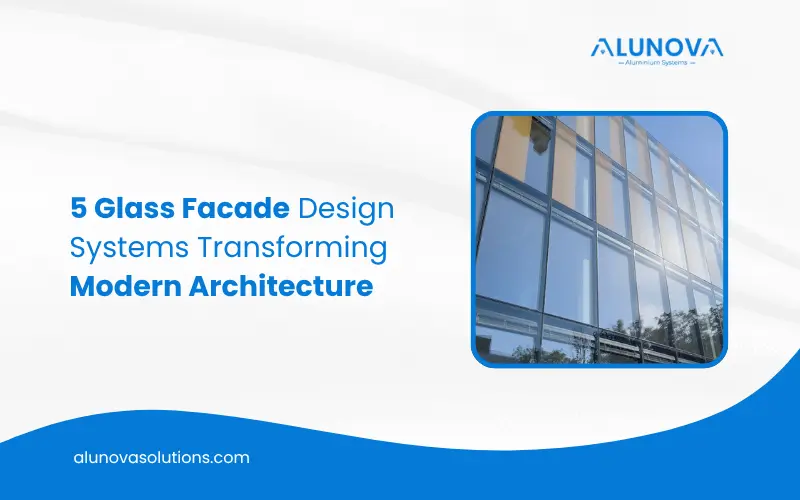
Jun16, 2026
Just walk through any modern business district, and you will notice something immediately. The buildings that grab your attention aren't necessarily the tallest ones. They are the ones that seem brighter, cleaner, and more sophisticated. And what creates that effect? Often a protective wall. It can create one's initial impression about a building. The facade of a building also affects its energy efficiency. Most importantly, the facade shapes how people experience the space once they enter it. The main reason glass facade design has become a primary construction solution today is that it's the most commonly used facade system, providing both aesthetic and functional solutions for buildings. Whether in a high-end office building, a luxury hotel, a retail showroom, or a commercial office complex, buildings with glass facades provide the ideal solution for balancing visual appeal and functionality. In this article, we will review the primary types of facade systems available today and what makes each system the most widely used type of facade in modern architecture. Why Glass Facade Design Is Becoming the First Choice for Modern Buildings The traditional concrete finish tends to create a heavy, solid appearance, while the glass facade provides visual, natural daylight and transparency. Apart from the visual appeal of the glass facade, some of the practical benefits are: Increased daylight penetration Improved energy performance Improved visual aesthetics of the building Increased design flexibility Decreased dependence on artificial lighting Increased property value There is a shift by architects today towards looking for facades that are not only the exterior of a building but also have an impact outside of just covering a structure. The goal is for a building envelope to provide a benefit to the building by improving its comfort, performance, and sustainability. Modern glass facade systems provide that. Curtain Wall Facade Systems Among all facade types, curtain wall systems are commonly the most widely used when constructing commercial buildings. Unlike traditional wall systems, curtain wall systems do not bear any structural loads from a building – they are attached to the building's structure and only provide support for their own weight. Curtain walls allow architects to design large glass areas while still being structurally efficient. Common project types using curtain walls include: Office buildings IT parks High-rise commercial buildings Mixed-use developments Due to their clean lines and maximisation of natural daylight, curtain walls have become a preferred design option for new building projects. Unitised Glass Facades For projects where quick turnarounds and consistency are important, unitised facade systems are an excellent option. Unitised facade systems are created in the factory as complete assemblies before being put up on site. The benefits of using a unitised facade system include the following: Faster installation Better quality control Less time spent on building Higher weather resistance Commercial building developers often choose unitised facade systems because they simplify the construction process, assuring a consistent level of quality in the final design. Frameless Glass Facades There are not many things in architecture that can create such an upscale look as using frameless glass. Systems that use frameless or skinned (non-structural) installations minimise the amount of visible frame around the glass, allowing for a continuous and unbroken plane of glass to be visible. The many advantages of using frameless or skinned installations include: Better clean-lined appearance Improved light quality entering the space Modern, current aesthetic appeal Improved visual connectivity to the surrounding environment Frameless or skinned installation types of glass facade designs are particularly popular in high-end commercial space applications, including showrooms, hotels, and high-end office developments. Solar Control Glass Facades Maximising natural light is very important when it comes to controlling heat gain in warm climates. Solar control glass will lower the amount of solar heat entering a building but will still allow daylight to enter through it. Its key benefits are the following: Reduced cooling expense Less glare Improved comfort Improved energy performance For commercial buildings that want to improve their sustainability and operational efficiency, solar control facades are a popular solution. Sustainable High-Performance Facades Sustainability is becoming an important focus of modern construction. Many of the advanced glass facades and designs that are currently being used in construction will integrate many of the following performance functions: Thermal Insulation Solar Control Acoustic Comfort Energy Efficiency Durability The high performance of these systems can greatly reduce the energy consumed by a building, while also providing occupants with a healthier indoor environment. A large number of green-certified buildings have developed and utilised advanced glass facades to achieve their sustainability goals. Things to Consider Before Installation Before selecting a facade system or a glass facade design, it is important to go through several factors: Climate and weather conditions Energy-efficiency requirements Safety standards and building codes Maintenance needs Type of glass and glazing system Structural support requirements Long-term durability Working with experienced professionals ensures that the facade not only looks impressive but also performs effectively for years. Key Takeaways Glass facade design is not just an architectural feature, as it also contributes to appearance, performance, and long-term value. By designing and constructing glass facades for buildings, you are turning a normal building into an eye-catching landmark. A well-designed glass facade provides natural daylight into a building and helps convey a contemporary image that creates an outstanding first impression. Whether you are looking to build a new commercial facility, renovate an existing office building, or upgrade your retail space, a well-designed and executed glass facade will help you strike the right balance of style, function, and efficiency. Creating a lasting first impression begins with the exterior of your building and continues to be a vital tool in achieving success within today's competitive environment. Frequently Asked Questions on Glass Facade What are the different types of glass facade systems? Common types include curtain walls, structural glazing, unitized facades, stick-built facades, and double-skin facades. Are glass facades energy efficient? Yes, modern glass facades with insulated or Low-E glass can improve energy efficiency and help in reducing cooling costs. What are the benefits of installing a glass facade? They improve aesthetics, increase natural light, enhance energy performance, and create a modern appearance for commercial and residential buildings. How do I choose the right glass facade design for my building? Choose a glass facade design based on your building’s architecture, climate conditions, energy-efficiency goals, maintenance requirements, and budget. Consulting facade experts can help you select the best solution.
Read More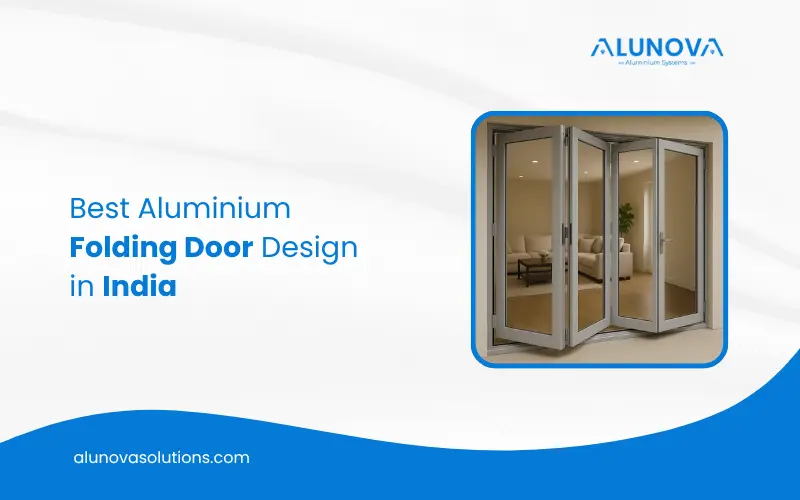
Jun12, 2026
Have you ever gone through your house and said to yourself that you needed ‘more space,’ even though you do not have the space to build? This is an extremely popular issue in many Indian households today. Almost all apartments feel congested, balconies are rarely used, and there is very little natural light entering any of the rooms! This is why homeowners are making smarter design decisions rather than renovating their homes at high cost. One of the trends improving in modern-day homes is the use of aluminium folding door designs. They are modern, stylish, functional, save space, and allow for bright, open interiors without making a home feel cluttered. If you are looking to update your living room, balcony, patio, or office, then aluminium folding doors and their modern designs can completely change the look and feel of your space! Why Homeowners Love Aluminium Folding Door Designs Modern homes require flexibility in design because people do not want heavy doors that restrict movement and create the illusion of smaller rooms. A good aluminium folding door design will easily resolve these issues by providing an excellent solution. Aluminium folding doors will also open and fold to one side, creating an uncontrolled wide opening between spaces and allowing rooms to feel larger, brighter, and more connected or flowing together. They can be highly effective in Indian homes, where the maximum use of space is a critical concern. The following are key factors that make homeowners want to use aluminium folding doors: Better airflow or ventilation More natural sunlight inside the house Modern and slim appearance Space-saving design Effortless opening & closing operation Sturdy, yet lightweight materials Unlike traditional wooden doors, which can easily warp or crack and suffer damage from moisture, aluminium doors do not have any of these issues and therefore work well in many of India's weather conditions. Popular Aluminium Folding Door Design Ideas Choosing the correct style for your folding door can create a total change in the atmosphere and appearance of your house. Nowadays, most people seek modern, practical, and clean-looking door styles. Here we have listed the most popular aluminium folding door designs that everyone loves. Glass Folding Doors Glass folding doors are the most popular modern style of door used today. Glass allows natural light into the home while making rooms appear larger than they really are. These work particularly well for living rooms and balcony or patio areas. Slim-Framed Folding Doors Slim aluminium-framed folding doors provide a clean and luxurious look and would be considered a great design choice for those who prefer modern minimalist interiors. Black Framed Folding Doors Black-framed folding doors are extremely popular in modern homes, as they create contrast, elegance, and luxury in the overall space. Wooden Finish Aluminum Folding Doors Many homeowners love the warm appearance of wood but want the durability of aluminium. Wooden-finish aluminium folding doors offer the best of both worlds. Corner Folding Door Systems Corner folding door systems give a completely open view on both sides of the room. These doors are suited for villa-type residences, cafes, or large open-space-type living rooms. Aluminium Folding Door Price in India The cost of folding doors made of aluminum can vary depending on the materials used for the door frames (wood, vinyl, aluminum), the glass used in the door panels, the configuration of the folding panels, the type of hardware, and installation. Basic models are usually less expensive, whereas higher quality premium models will have larger openings, heavier and tougher glass, including safety features, and have more advanced locking systems. The table below provides a general price range to help homeowners and builders estimate their budget. Aluminium Folding Door Type Approximate Price Range (Per Sq. Ft.) Standard Aluminium Folding Door ₹800 - ₹3,000+ Folding Door with Clear Glass ₹450 - ₹2,850+ Toughened Glass Folding Door ₹500 - ₹2850+ Powder-Coated Aluminium Folding Door ₹750 - ₹2,850+ Premium Slim-Frame Folding Door ₹1200 - ₹2,850+ Perfect Places to Install Folding Doors Folding doors offer probably the most amazing and flexible solutions. In other words, they fit in very well with different parts of a home. Living Room to Balcony: This style is among the most popular choices. Folding doors help merge indoor and outdoor spaces, making the living room feel larger and refreshingly open. Kitchen Partitions: In many modern homes, folding doors should separate kitchens from the rest of the space without drawing a heavy visual separation or closing it off. Patio and Garden Spaces: Large glass folding doors create an elegant transition into outdoor garden spaces and thereby become a point of admiration. Office Cabins: Folding door designs in aluminum are also popular among businesses because they create modern office spaces while conserving space. How to Choose the Right Aluminium Folding Door Design? Before selecting a folding door, it is important to consider a few factors. Check the Aluminium Quality: Always choose premium-grade aluminium for better durability and performance. Focus on Glass Quality: Tempered or toughened glass improves safety and strength. Choose the Right Finish:Pick colors and finishes that complement your interior design style. Prioritize Professional Installation:Even the best door system can perform poorly if the installation is incorrect. A well-installed door improves insulation, movement, and overall lifespan. Common Mistakes to Avoid Many homeowners focus only on appearance and ignore functionality. Here are a few mistakes to avoid: Choosing oversized panels without proper support Ignoring track quality Selecting low-grade hardware Not checking weather resistance Prioritizing price over durability An aluminium folding door is a long-term investment, so quality should always come first. Final Wrap-Up! Beauty in the home doesn't always mean having a lot of square footage; sometimes it's simply about maximizing the space you already have. This is where aluminium folding doors and their designs come into play, as they create the perfect balance of function, comfort, and style. Related Topics Aluminium Door Designs Safety Door Design for Home Aluminium Sliding Door Design Aluminium Doors and Windows Kerala Frequently Asked Questions Is aluminium folding door design suitable for small homes? Yes, aluminium folding doors fold neatly to one side, helping maximize available space and making small homes feel more open and spacious. What is the lifespan of aluminium folding doors? With proper maintenance, aluminium folding doors can last 20 to 30 years or even longer due to their durability and resistance to corrosion. Are aluminium folding doors waterproof? Yes, high-quality aluminium folding doors are weather-resistant and designed to withstand rain, wind, and various climatic conditions when installed correctly. How much does an aluminium folding door cost? The cost of an aluminium folding door varies depending on factors such as size, glass type, profile quality, hardware, and design preferences. Prices are available across different budget ranges. Which glass is best for aluminium folding doors? Toughened glass is generally recommended for aluminium folding doors because it offers excellent strength, safety, and durability for residential and commercial applications.
Read More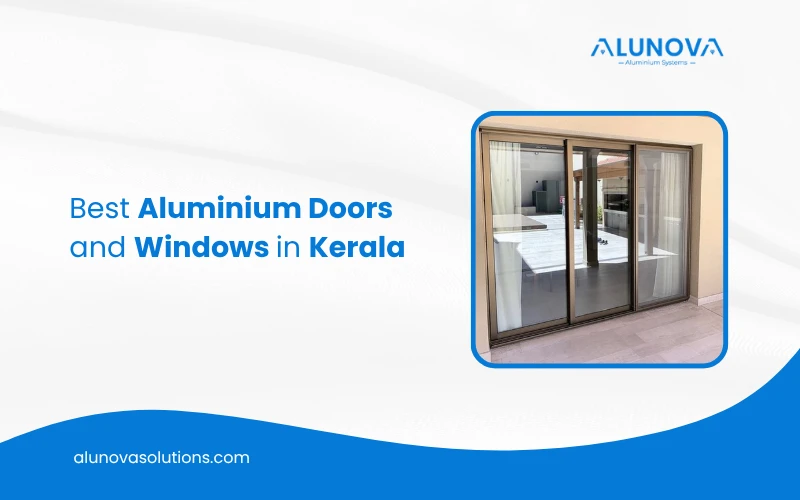
May23, 2026
If you have ever been at home on your balcony on a rainy night, you probably feel somewhat frustrated because of your broken doors allowing in the weather, which includes dust, noise, water and so on. This is why modern homeowners today are switching to new and more durable options for their sliding doors. Today's contemporary aluminium doors and windows will provide a lot more than just a modern design. They offer the homeowner comfort, airflow, an efficient use of space, and long-lasting performance. When combined with any of the high-quality aluminium doors and windows that homeowners in Kerala love, they really add to the overall appearance and feel of the home! Why Aluminium Doors and Windows Are Becoming So Popular in Kerala Many new apartments and independent homes are opting for a cleaner and open-themed interior than the traditional doors, which consume a lot of space and create a disjointed appearance of smaller rooms. On the other hand, aluminium doors and windows can solve all of the above concerns precisely. Another advantage of aluminium doors and windows is that they will glide effortlessly, and allow more light into the home as well as provide an effortless transition between the interior and exterior spaces. In locations like Kochi, Calicut, Thiruvananthapuram, or any number of coastal locations, the installation of aluminium doors and windows will not only improve the brightness and freshness of the home but will also make it feel more spacious. Most people also choose to install aluminium doors because they are cost-effective as well as very durable. Due to the climate in Kerala, which has unusually high humidity and frequent weather changes, most materials used to construct homes must remain unaffected by the elements (i.e, water will not cause warping, rusting, or discolouration). Because of this issue, most home designers are now recommending the installation of aluminium doors and windows for people in Kerala so that they will continue to provide reliable service over time! Benefits of Installing Aluminium Doors and Windows in Kerala Design That Saves Space An aluminium door doesn't require as much space to open and close as a traditional swing door. Therefore, they work best in smaller apartments or modern homes where every little space counts. Increased Natural Light When large glass panels are used as part of an aluminium door system, the amount of light entering the room will be maximised. This will decrease the artificial light during the daytime and will create a warm and inviting environment. Ventilation with Ease Good air flow is important considering the high humidity in Kerala. An aluminium door and windows on your living space will improve air flow and create a fresher indoor space throughout the house. Fashionably Modern With an aluminium door or windows installed on your balcony, you can instantly improve the aesthetics of your home. This type of door provides an elegant and stylish look to your decor without making your design appear too complicated. Why Do Aluminium Doors and Windows Work Best in Kerala's Climate? Not every door can withstand Kerala's climate changes. For example, wooden ties may worsen over time, and metal, like steel, can rust and corrode if exposed to coastal environments. However, one of the things that is extremely popular in modern architecture is installing aluminium windows as well as doors since they are a superior choice and have very low maintenance. Some of those reasons include: Rust and moisture resistant Lightweight but durable Very easy to keep maintained Energy efficient Long-lasting and able to withstand many elements With proper installation, aluminium systems can be fashionable and functional for years. Features Smart Homeowners Should Look For Aluminium window systems are not created equal! The choice you make regarding the product you want to install is just as important as the material itself, whether you use aluminium or otherwise. The following checklist should be completed before making your purchase: Check the type of powder-coated or weather-resistant finishes. Look for a strong locking mechanism to ensure your security. Make sure there are smooth sliding rollers and hinges on the window. You should check for sound insulation features. Make sure there are large glass panels which will let in a good amount of natural light. If you want to make your window look as per the rest of your home, choose a custom colour and finish option. With so many homeowners choosing matte black, bronze, or wood-finish aluminium frames, it's easy to see why they are a great choice for both traditional and modern style homes in Kerala. Also Read:Soundproof Windows Benefits and Types Modern Aluminium Design Ideas for Kerala Homes If you want your living space to stand out, here are a few trending design ideas: Black aluminium frames for a bold modern appearance Minimal frame sliding systems for uninterrupted views Floor-to-ceiling glass panels for luxury interiors A combination of sliding doors with large window panels Neutral-colored frames for timeless elegance These ideas work beautifully in both apartments and villas. Also Read:Aluminium Door Designs and Modern Ideas Maintenance Tips for Long-Lasting Performance Aluminium systems are great when they require less maintenance! A little preventive cleaning will allow you to keep them looking brand new, with very little effort: Cleaning the tracks regularly will help prevent dirt and dust buildup and keep the door operating smoothly. Use a mild soap or detergent and warm water for cleaning your frames. Check the rollers and the lock mechanism occasionally. Never clean any part of an aluminium surface with harsh chemical cleaners, including Windex or something similar. With just a little bit of attention and care, your aluminium door and window system can remain beautiful and function properly for many years, especially in a place like Kerala. Why Choose Alunova Aluminium Systems Whether you are trying to renovate your existing home or starting from scratch to build your dream home, Alunova's premium products offer you aluminium doors and windows solutions that are built to last and withstand the weather in Kerala changes. Beautiful and functional sliding systems and beautiful and custom-designed products, all from Alunova, will help create modern living spaces in your home that last. If your home deserves a combination of beauty and performance, all types of Alunova's products will provide you with the ability to improve the function and beauty of your home. Final Wrap Up A home must provide comfort through every season, whether heavy rains, hot and humid afternoons, or hot summer mornings. Quality windows and doors will give you the utmost protection in your home day after day, without the need for constant attention. That's why, when considering investing in aluminium windows and doors, it is more than just a design choice as it is an investment in your lifestyle. Frequently Asked Questions on Aluminium Doors and Windows Kerala Are aluminium windows suitable for Kerala weather? Definitely yes. Aluminium windows perfectly suit the weather of Kerala as they are specially designed to withstand high humidity, heavy rain, and coastal salt exposure that align with the state’s climate. Are aluminium doors and windows good for coastal areas in Kerala? Yes, aluminium doors and windows are perfect for Kerala’s coastal areas because they resist rust, moisture, humidity, and salty air. Do aluminium windows require a lot of maintenance? No, aluminium windows require very little maintenance. Regular cleaning with a soft cloth and occasional checking of tracks and fittings are enough to keep them in excellent condition for years.
Read More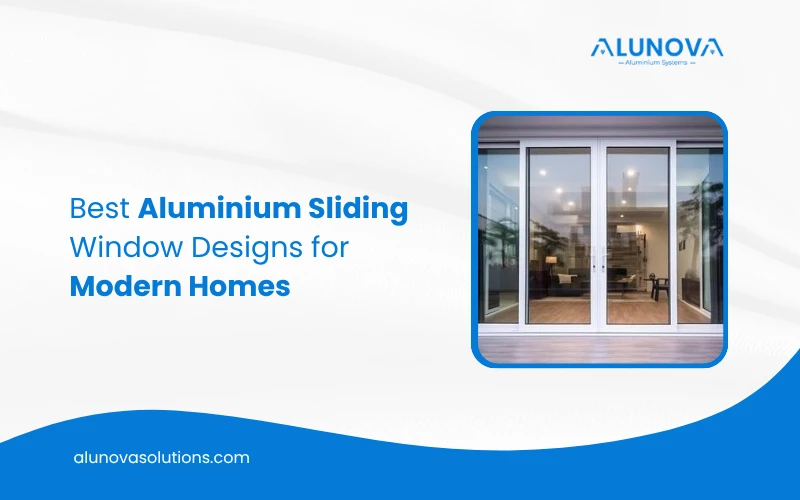
May19, 2026
Have you ever tried sitting next to your window on a crowded afternoon and gotten frustrated by the noise of traffic, dust, or the harsh sun coming through it? Or maybe you looked at your old sliding windows and felt like they no longer match the modern home you dream about. A well-designed home brings together comfort, calmness, and a refreshing atmosphere. However, outdated sliding windows can slowly take away that sense of comfort and brightness day after day. That is why so many homeowners are choosing to use aluminium sliding window designs, which allow for a more contemporary style of sliding window that uses less space and works well with a modern lifestyle. They help in improving your home's appearance and completely change how your home feels. Why Are Homeowners Choosing Aluminium Sliding Window Designs More Than Ever? Today's home requires more than just furniture, wall color, or cabinets, as people now want smarter living spaces that feel airy and fresh and require less care. Today's homeowners are using aluminium-frame sliding windows for their beautiful, functional designs. Unlike traditional bulky window constructions, they operate seamlessly while maximizing available space. These windows stand out for the following reasons: Clean and modern look Improved Airflow and Ventilation Operationally simple Strong and durable frames Minimal Maintenance Great in any type of apartment or space Whether it is a city apartment or a spacious villa, these sliding windows easily fit into every type of home. Popular Aluminium Sliding Window Designs for Modern Homes Choosing the right aluminium sliding window design can instantly improve the look and feel of your home. Today, there is an increasing number of people who choose designs that showcase elegance, utility, and efficient use of space. Below are several of the most sought-after styles that may suit your residence: Minimal Sliding Window Design This type of sliding window system has modern and sleek lines with an elegant design made of aluminium. The framing is thin, allowing a clear view of the outdoors while maintaining a modern appearance in the interior of the home due to large amounts of natural sunlight from these windows. Because of their sleek and modern appearance, they are perfect for contemporary homes or apartments. Floor-to-Ceiling Sliding Windows For the owner who enjoys having a large, expansive space, a large floor-to-ceiling, sliding window system creates an excellent opportunity to connect the inside of the house with the outside. By using large sliding windows, you can make the inside feel much larger and have more natural light coming into it. Corner Sliding Windows Corner sliding windows add a visually appealing architectural feature to a modern-style residence. Corner sliding windows allow for greater outdoor visibility, improve ventilation through the house, and create a feeling of expanded space and style within the home. Double Track Sliding Windows A dual-track sliding window system is one of the more popular aluminium-based sliding window systems due to its ease of use and functionality. The dual track sliding window provides ease of movement and is perfect for use in bedrooms, kitchens, and balconies. Glass Sliding Windows with Matte Black Frames A black aluminium-framed sliding window is becoming increasingly popular among modern-style residences. The use of a black-framed sliding window system creates bold visual interest while enhancing the overall look and feel of minimalist-style furnishings and neutral-toned interior designs. Customisable Sliding Windows A growing number of people choose made-to-order aluminium sliding windows that correspond with the required size of their sliding window openings and the overall look of their home's interior. A variety of customisation options, including tinted glass or textured surfaces, will help you create a one-of-a-kind and visually beautiful home environment. The Biggest Benefits You Will Notice Every Day Increasing Natural Light in Your Home When natural light is limited, your home can feel more confined and less warm than it should. With sliding windows throughout the house, natural light spreads beautifully across the interiors, making the space feel more open and comfortable. Also, having natural light in your home creates a nice environment as well as decreases the need for artificial lighting during the day. Providing Airflow Without Sacrificing Space Traditional sliding windows require an additional amount of space to open, either totally or partially. Therefore, if you have smaller areas, such as kitchens and bedrooms, it can be inconvenient. However, with sliding windows, they can be opened to both sides horizontally, so there is no additional space needed for opening or closing. This allows for an easy flow of fresh air without disrupting your furniture layout. A Stylish Upgrade Without Overdoing It Changing a small detail in your home will make your home feel so much more updated. Adding an aluminium sliding windowthat has a modern design creates a more contemporary and sleek design and adds an elegant touch to your overall design without looking too flashy. They create a neat design with their thin frames and fit nicely with modern homes. Strong Enough for Daily Use One of the very important reasons why homeowners choose aluminium sliding windows is their durability. Aluminium is resistant to rusting, moisture, and weathering. They also resist heat, rain, and dust better than many traditional window materials. Every home is different and will require something different in terms of sliding windows. The right sliding window will depend upon your available space, lighting requirements, and interior decor. How to Pick Windows That Improve Both Style and Functionality? There are a few general guidelines to consider when you are selecting the type of window you would like to use in your home: Consider Ventilation - If airflow is important, choose wider sliding panels that allow more air circulation. Match Your Interior Style - If your home has a modern design scheme, then the use of black or matte-finish aluminium framing will complement the furniture and decor in your home. On the other hand, if you have a minimalist design, consider using neutral colors for the framing. Focus on Quality of Glass - The glass is just as important as any other part of the window frame. Quality glass will help to reduce noise levels from outside as well as provide energy efficiency benefits. Smooth Sliding Systems - A good sliding window system should slide freely when opening and closing without any noise or resistance occurring during the use of the sliding window. Common Mistakes Homeowners Often Make A lot of homeowners prioritize looks alone without considering practicality. Here are some common mistakes to stay away from: Choosing oversized sliding windows without considering ventilation Ignoring frame quality Selecting designs that don't match the home's architecture Overlooking maintenance needs Compromising on glass quality to save money A well-planned aluminium sliding window setup improves both comfort and property value. Why Do Modern Homes Need Smarter Window Solutions? Homeowners today desire areas that have comfort, openness, and practicality. Sliding windows are now more than just an architectural component, as they affect the amount of light entering a home, energy efficiency, comfort levels, and, in some cases, people's moods. Due to this increase in demand for new window styles and technologies, there has also been a corresponding increase in aluminium sliding window designs for contemporary homes in India. This type of design provides a minimal look while improving day-to-day living. The aluminium sliding window designs are a great combination of functional and aesthetic style, as they can help simplify the function of windows while still providing an aesthetically pleasing way to open up living spaces. Let's Summarize Your windows influence how you live daily much more than you are probably aware of. If you select your sliding windows properly, they can create an environment that feels lighter, calmer, and much more contemporary. When you consider upgrading your home, choosing a premium design for your aluminium sliding windows can totally change the appearance and feel of your whole home, without the expense of doing a complete remodeling. Keep in mind that sometimes even the simplest improvements to a home can make the greatest difference. Related Topics Types of Aluminium Windows Aluminium vs uPVC Windows Soundproof Windows Best Aluminium Windows Brands in India Frequently Asked Questions on Aluminium Sliding Window Design Which aluminium sliding window design is best for modern homes? Slim-frame aluminium sliding window designs with large glass panels are considered best for modern homes because they create a clean, stylish, and contemporary appearance. What are the benefits of aluminium sliding windows? Aluminium sliding windows are durable, easy to maintain, smooth to operate, and allow more natural light and ventilation into the home. How much does an aluminium sliding window cost in India? The cost of aluminium sliding windows in India depends on factors like window size, glass type, frame quality, and custom design preferences. Are aluminium sliding windows better than uPVC windows? Aluminium sliding windows are often preferred for their modern appearance, strength, durability, and long-lasting performance compared to uPVC windows.
Read More
Apr30, 2026
Ever stood near your window during a heavy rain and wondered, ‘Why does this still leak?’ Maybe your home looks so perfect, but the windows might be the ones ruining your comfort. The point here is that windows do not simply serve as frames but also influence how a house feels. The right windows keep your home cool, quiet, and beautiful. The wrong ones? You will be noticing them every single day. That is why choosing the best aluminium windows brands in India becomes so important. Why Aluminium Windows Are Taking Over Indian Homes? Before we jump into brands, let's look at why aluminium is winning over wood and uPVC: Strength to Weight Ratio - Great for Large Windows Rust Resistant and Weather Resistant - Perfect for Indian Conditions Minimal Maintenance - No Need to Repaint or Swell Sleek, Modern Appearance - Fits with Today's Homes Long Lifespan - Smart and One-Time Investment In short, aluminium reflects style, strength & simplicity. What Really Defines the Best Aluminium Windows Brands in India? Not all brands of aluminium windows are the same, despite similarities in appearance. Here is what you should look at when selecting aluminium windows. Quality of Build and Materials High-quality windows made from aluminium should be solid in feel and not thin. High-grade aluminium will give you the best overall performance and longevity. Quality of Sealing and Insulation Good quality seals will keep away dust, noise, and heat from entering your home. Because of this, many lower-quality windows fail in this area. Design Flexibility Sliding window, casement window, tilt-and-turn window - the best window for you should match your home's design and ventilation needs. Glass Complements of an Aluminium Window Having the correct combination of aluminium and glass materials will provide greater energy efficiency as well as greater comfort. Installation Quality All of the top brands of aluminium windows produced in India will not meet your satisfaction if they do not have quality installation jobs completed on them. Common Mistakes People Make When Buying Aluminium Windows Most window problems don't show up immediately, as they appear months after the installation. Here are some mistakes that you should avoid making when purchasing your windows: Choosing based only on price Ignoring installation quality Not checking the warranty or service support Focusing only on design, not performance Overlooking climate suitability A window is not just a product; it's your long-term decision. Best Aluminium Windows Brands in India - Top Brands to Know in 2026 Brand Name Key Highlights Alunova Known for aluminium system windows that blend modern designs with sleek finishes, perfect and strong sealing, and long-term durability. Fenesta Widely recognised brand with a strong presence in India. Offers both uPVC and aluminium window solutions. Saint Gobain Widely trusted for advanced glass and aluminium systems. Focused on efficiency, comfort, and high-performing living spaces. Tostem (LIXIL) Japanese engineering with precisely built aluminium frames, specially designed for smooth operations and minimal aesthetics. Aluplast India Provides technically advanced window systems. Highly showcases durability, weather resistance and insulation within their products. Reynaers Aluminium Premium European design brand known for its luxury aluminium windows. Lingel Windows Combines European design standards with customised solutions, which are suited for Indian homes and climates. Simta Clear Coats Specialises in anodised aluminium finishes and facade solutions that improve both durability and visual appeal. Koemmerling Known for window systems that have a strong focus on quality, performance and longevity. What Top Window Providers Focus On? Leading Brands will usually have a common theme that most are looking for when buying any type of Windows Products, which can be divided into 4 categories: Performance over just aesthetics Strong sealing systems Custom-fit solutions Long-term durability The above make sure that what one must remember when looking into the top aluminium window brands in India, as it is not about the brand but rather the performance & accuracy of the aluminium window products. Let's wrap it up Windows have a huge impact on your daily comfort. Windows can affect how you experience your home, from the way it feels in the morning light to the way it keeps you warm during rainy weather and protects you from dust at night. The decision to select the most effective aluminium window brand in India should never be considered simply as an expense, but should be a long-term investment in your comfort. If you are interested in a design focused on durability, in addition to actual functionality, we at Alunova are gaining attention for our aluminium system windows that bring both style and performance to modern homes. Related Topics Types of Aluminium Windows Aluminium vs uPVC Windows Soundproof Windows window colour Frequently Asked Questions on Best Aluminium Window Brands Which is the best aluminium window brand in India? The best aluminium window brands in India depend on the quality, sealing, and service support one provides. Always try to choose one that offers a durable build and accurate performance according to your needs. Are aluminium windows better than uPVC windows? Aluminium windows are comparatively stronger, sleeker, and long-lasting. Even though uPVC is more budget-friendly, aluminium is better for durability and modern design. How to check the quality of aluminium windows? Check the frame thickness, whether they have a smooth finish, sealing quality, and hardware. Good installation and warranty are also important factors that indicate better quality. Which company is the best for windows? A good company always focuses on both product and installation quality. Some brands are known for aluminium system windows that offer a balance of design and durability. Are aluminium system windows suitable for coastal or extreme climates? Yes, aluminium system windows handle heat, rain, and humidity well. With proper sealing, they perform effectively even in harsh environmental conditions.
Read More